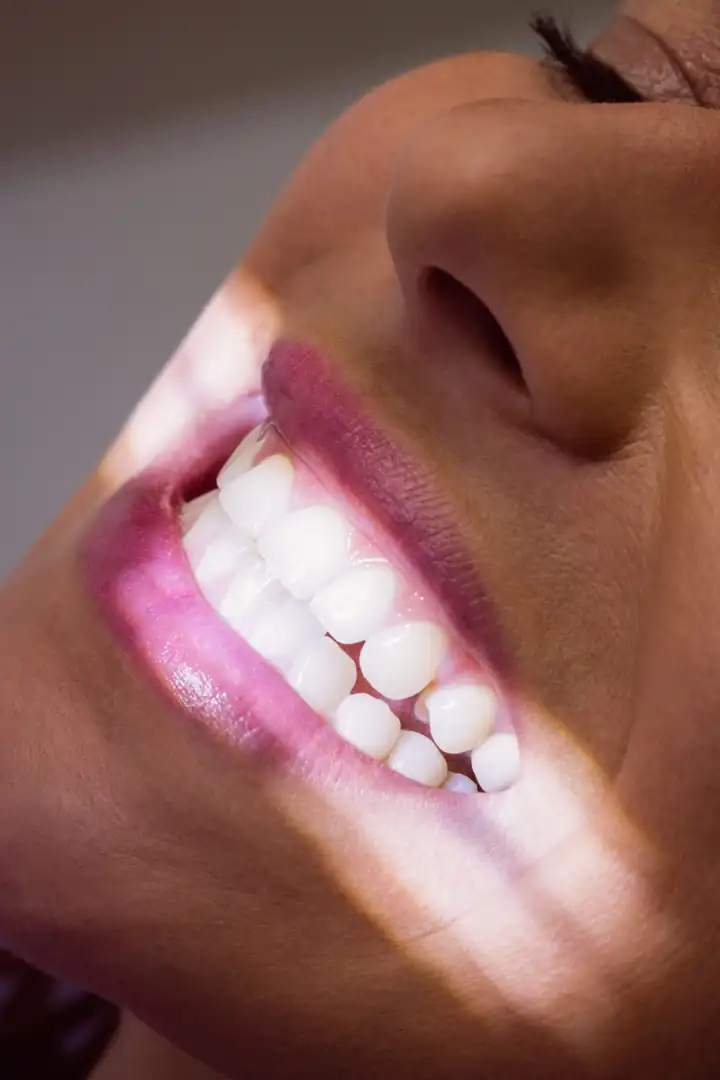
Can you whiten a dental crown?
If you want to whiten your smile but already have a dental crown, you need clear answers before you start. Many patients ask if dental crowns can be...
Cosmetic dentist, Glasgow Southside
If you are concerned about your dental health, the appearance of your smile, or problems such as bleeding gums, sensitivity or discomfort, we are here to help.
We specialise in all aspects of dentistry, from cosmetic treatments and braces to implants, crowns and bridges.

What we do
Explore our treatments to learn how each one works, who it suits and what to expect.
Our practice
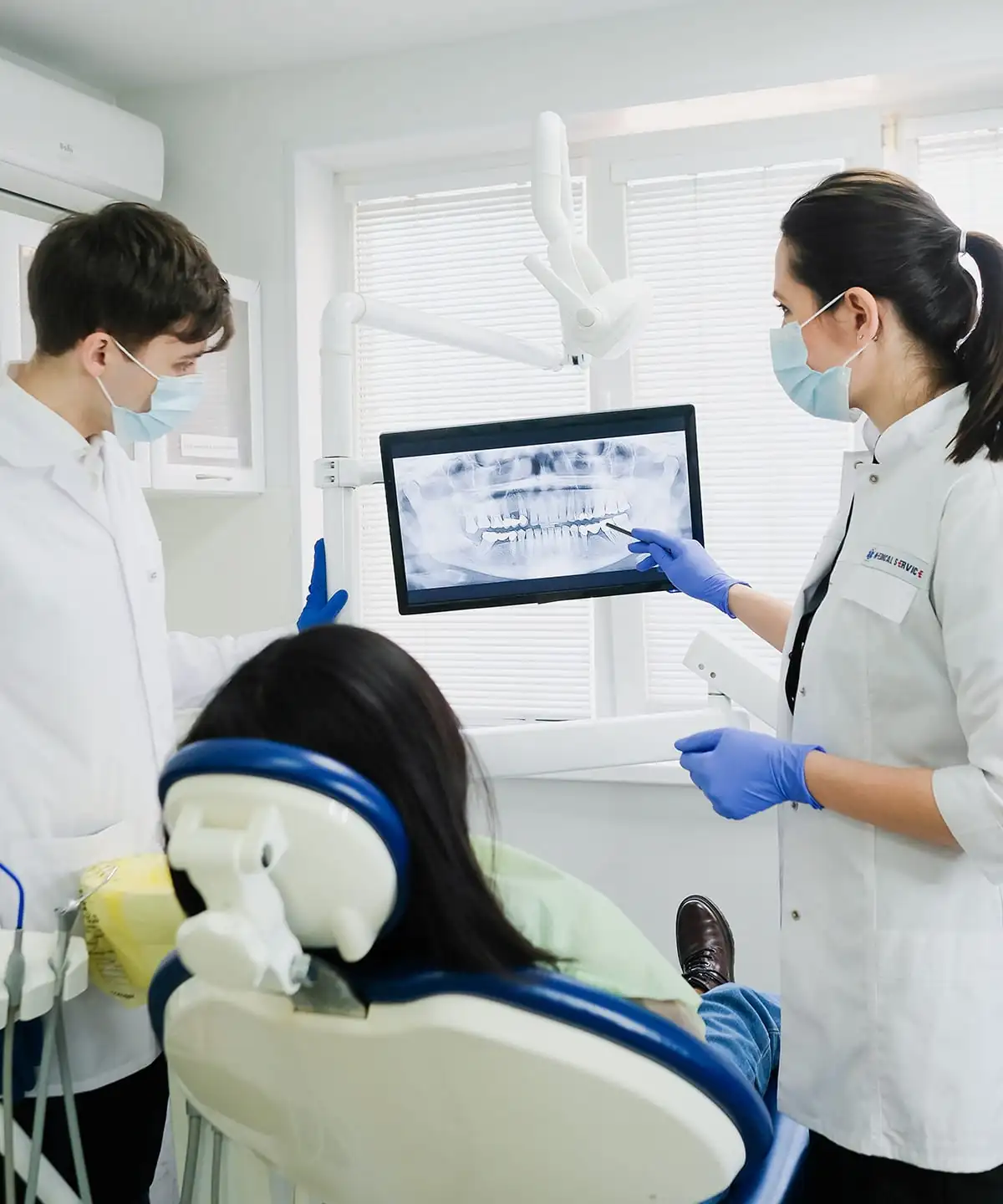
One major cause of tooth loss is gum disease. This is caused by the ineffective removal of plaque and food debris around the gum line, and it can lead to periodontal disease.
Our hygienist will spend time with patients giving oral hygiene instructions and a thorough scale and polish.
About us
Southside Dental Care is a dental practice in Glasgow's South Side. You are our priority, and we will do our best to give you a comfortable dental experience and a great result.
Our friendly team will be pleased to discuss your requirements in detail and offer professional advice on how we can help, whether that is a routine check-up, a straighter smile or replacing a missing tooth.
Our dental blog
If you want to whiten your smile but already have a dental crown, you need clear answers before you start. Many patients ask if dental crowns can be...
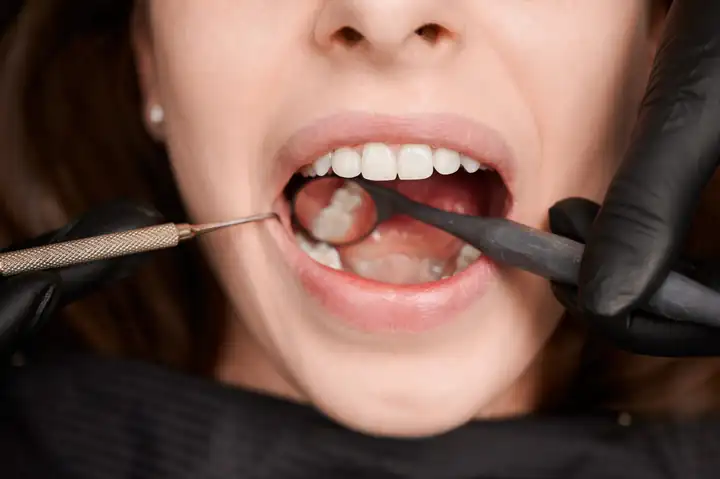
A small mark on your crown can appear minor, but it often suggests an underlying issue. If you see a black dot, a black line, or any dark change...
A dental crown protects a damaged tooth, restores strength, and improves your smile. Many patients ask if bacteria can still reach the tooth beneath...

If you are looking into getting a dental crown in Glasgow, you may want to know if the dentist will numb the area and whether it will be painful...
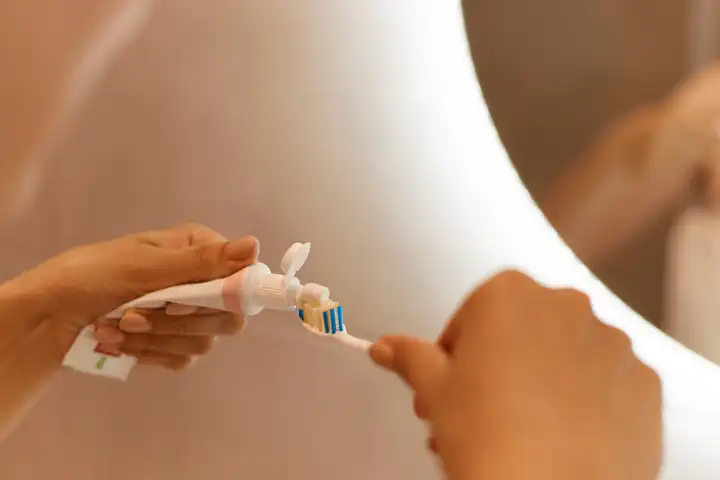
Many patients in Glasgow ask if you should leave toothpaste on your teeth overnight or rinse after brushing. This guide explains what works, what...

If you have a crown, food may get caught, but you don’t have to worry. This guide walks you through why it happens, practical ways to prevent it, and...
Opening soon
Southside Dental Care is not open for appointments yet. While we prepare, our treatment guides and dental advice articles are here to help you understand your options.