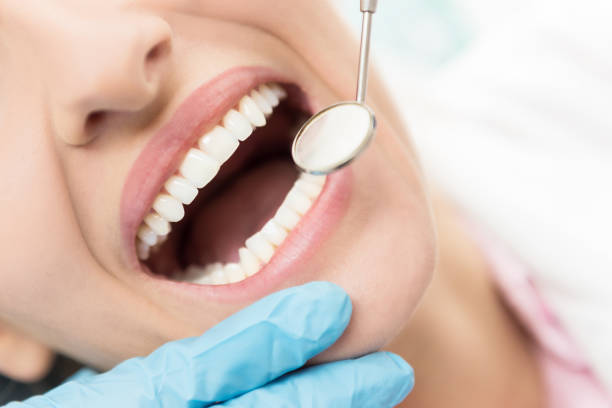
A dental crown protects a damaged tooth, restores strength, and improves your smile. Many patients ask if bacteria can still reach the tooth beneath a crown. This guide explains how bacteria behave, what causes decay under a crown, and how you can protect your dental health before and after treatment.
Do bacteria get under a dental crown?
Yes, bacteria can get under a crown when a gap or weak seal exists. A crown covers the tooth, but the edges must fit tightly to prevent plaque and bacteria from getting in.
When the crown edge is not properly sealed, bacteria can enter beneath it and reach the tooth below.
What causes decay under a crown?
Decay under a crown often begins when plaque and bacteria collect around it. If you do not brush and floss well, trapped food can feed bacteria and lead to problems.
Can bacteria cause an infection under a dental crown?
Yes, an infection under a dental crown can develop when bacteria reach the tooth pulp. This can result in a crown infection that requires treatment.
In some cases, bacteria might enter through marginal gaps between the crown and tooth.
What are the symptoms to watch for near a crowned tooth?
You may notice pain while biting, sensitivity to temperature, and gum swelling near the crown. A bad taste or smell can signal an infection.
If you feel discomfort near a crowned tooth, seek immediate dental advice. Early care helps save your tooth and stop further decay.
Can a root canal treat an infection beneath a crown?
A root canal procedure removes infected pulp and helps save your tooth. Your dentist may suggest this treatment when the infection reaches the tooth’s centre.
During treatment, we remove the infected pulp, clean the tooth underneath, and restore it with a new crown if needed. This protects your crown and keeps your teeth healthy.
How do you protect your crown from bacteria?
Good oral hygiene is important. Brush and floss every day, especially around the crown and along the gum line.
Regular dental check-ups and professional cleanings help you find problems early.
Do dental crowns cause decay or gum disease?
Dental crowns don’t cause decay on their own. Problems occur when bacteria manage to build up around a crown due to poor hygiene or a poor fit.
If plaque stays around a crowned tooth, it can cause gum disease and harm both natural and crowned teeth.
How long do crowns last and stay sealed?
Crowns last many years when properly maintained. A fitted crown can protect a treated tooth for 10 to 15 years or longer.
However, wear and tear, grinding, or a damaged crown can weaken the seal.
What treatment options are available if decay develops?
Your dentist chooses treatment based on the level of decay. In some cases, they remove the crown to treat the area beneath it.
More severe cases may require a root canal or crown replacement. At Southside Dental Care, we evaluate your situation and suggest the best treatment to protect your tooth.
Why choose Southside Dental Care for crown treatment?
At Southside Dental Care, we provide high-quality dental crowns using modern techniques, including same-day crowns. This lets you restore your tooth in a quick and effective way.
You can learn more about your options on our Dental Crown Glasgow page or find out how a dental crown protects your tooth.
If you are concerned about a crown or signs of infection, call us on 07743 020777 to book a consultation.