How To Deep Clean Your Own Gums? Learn How To Deep Clean Your Teeth And Gums

Deep Cleaning and Good Dental, Tooth and Gum Hygiene Is Key

About Plaque and Tartar

Dental plaque is a sticky film made up of germs that accumulates on teeth. It forms when food mixes with saliva and germs in the mouth. Unfortunately, plaque is the leading cause of tooth decay and gum disease; therefore, it’s critical to remove it regularly.

When plaque accumulation is not eliminated, it can harden into tartar. Tartar buildup is attached to your teeth, and the only method to remove it is with a dental scaler used by a hygienist. Tartar can promote infection and inflammation in the gums, resulting in gum disease. Without treatment, gum disease can cause serious issues, including tooth loss.

Brushing and flossing every day is the most efficient technique to reduce plaque. Brushing eliminates plaque from the surface of the teeth, and flossing cleans the spaces between them. You may buy a dental hygiene kit, which includes the identical instruments that a hygienist uses to clean your teeth. However, for most patients, everyday brushing and flossing in between professional thorough cleanings is sufficient to keep their teeth clean and cavity-free.

The Importance Of Flossing To Keep Your Teeth Clean

Flossing, while it may appear monotonous, is vital for preserving dental health. Flossing helps prevent cavities, gum disease, and bad breath by removing plaque and germs from between the teeth. Furthermore, flossing is the most effective method for cleaning places that are difficult to reach with a toothbrush. Individuals should floss at least once a day to maintain good dental health. 

Choosing the Right Dental Floss
While the number of floss alternatives may appear overwhelming, they all serve the same basic purpose: to remove plaque and debris from between the teeth and gums. The most important consideration when selecting a type of floss is finding one that is comfortable for you to use.

Some floss is coated with wax or flavourings to make it more appealing to use, and others are constructed of other materials such as silk or nylon. Finally, the greatest sort of floss for you is one that you will use frequently. In addition to regular floss, interdental brushes and water flossers can be used to thoroughly clean between teeth.

How To Floss Correctly
Flossing is essential for your dental hygiene regimen, but it can be difficult to accomplish effectively. The most important thing to remember is to be gentle. Use a mild back-and-forth motion with the floss instead of sawing it back and forth, which might irritate your gums.

After you’ve pushed the floss between your teeth, gently curve it around the base of each tooth. Make sure to floss underneath the gum line, since this is where plaque can accumulate. Finally, use a clean strip of floss for each tooth to prevent bacteria from spreading. With a little effort, you’ll be able to master flossing and keep your teeth healthy and clean.

Proper Brushing Technique When Cleaning Your Teeth At Home

Brushing correctly is essential for maintaining excellent dental health and avoiding cavities. Here are some ideas for cleaning your teeth:

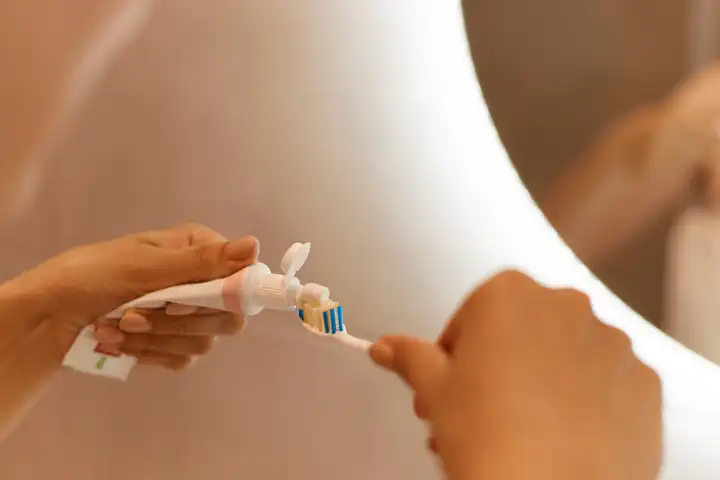
No more than a pea-sized squeeze of toothpaste is required. Too much toothpaste may irritate your mouth.
Brush at a 45-degree angle, directly against your gums. Brush the bristles along your gum line in gentle, circular strokes.
Brush both the inner and exterior surfaces of your teeth. Do not forget to brush your tongue!
Brush your teeth and then spit out the toothpaste. Rinse with water as needed.

Choosing a toothbrush
When selecting a toothbrush, there are several factors to consider. One is the type of bristle, which might be soft, firm, or medium. Soft bristles are soothing on the gums and effectively remove plaque, but harsh bristles can be abrasive and cause gum discomfort. Furthermore, some individuals like to use an electric toothbrush, and many of these include timers to ensure that you brush your teeth for the appropriate amount of time.

Finally, the optimum toothbrush type is determined by your own preferences and brushing routines. If you have sensitive gums or dental implants, you may wish to use a softer-bristle brush. If you have braces or other dental equipment, you may require a stronger brush to get into all of the nooks and crannies. Finally, the best method to figure out what works for you is to try until you discover the right fit.

Choosing toothpaste
There are several toothpaste alternatives available to help you clean your teeth, and it can be daunting to choose the proper one. However, there are a few considerations that might assist in cutting down the options. First, analyse your individual demands. For example, if you have sensitive teeth, you should opt for toothpaste that is specifically created for them. You may also pick tartar control toothpaste, whitening toothpaste with baking soda, and a variety of other formulations with additional benefits.

After you’ve evaluated your individual requirements, review the component list. For example, using fluoride toothpaste can help protect your teeth from cavities. You may also wish to use a toothpaste with natural components, which are softer on your teeth and gums.

Regular Dental Visits At Southside Dental Care Can Help Support Deep Clearning Your Teeth

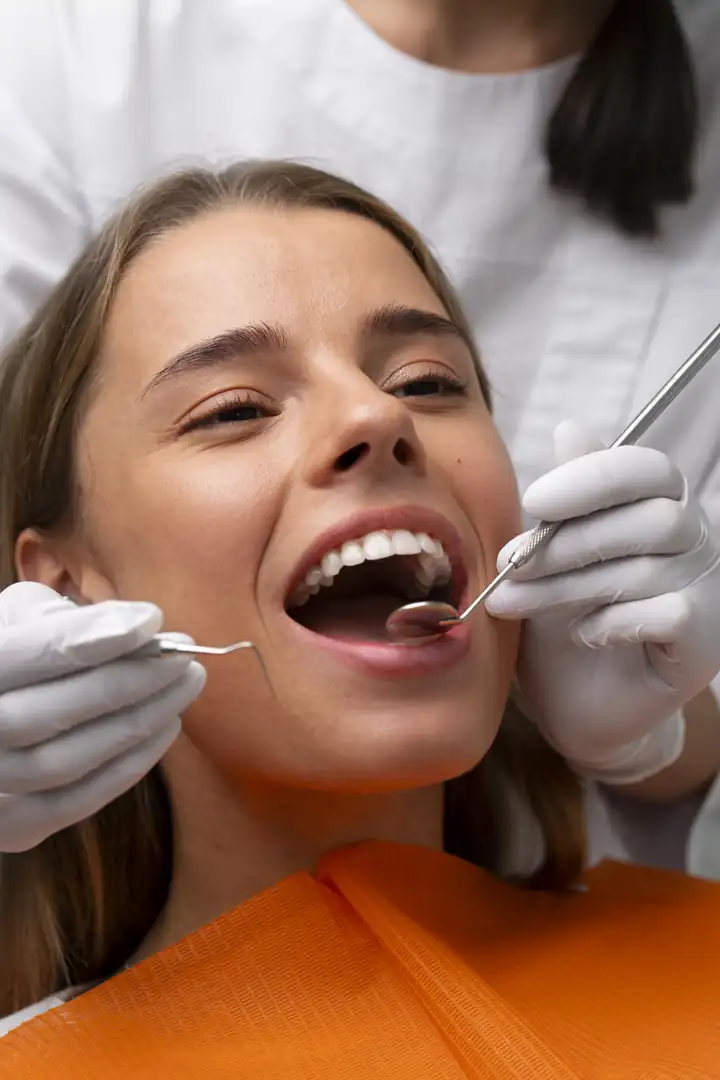
At Southside Dental Care Glasgow  we aim to promote oral health in a good way. It’s important to be mindful of what can happen if you don’t take care of your teeth and gums regularly. We are here to help you keep your mouth healthy, which should lead to a healthy body as well. Visit our website today and book an appointment to improve your dental health!

Similar Posts