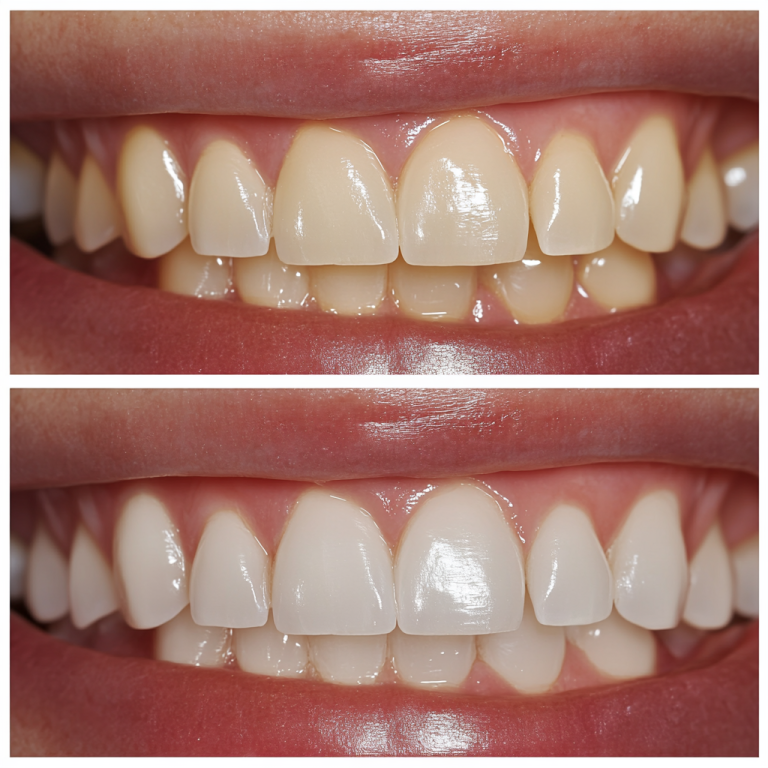
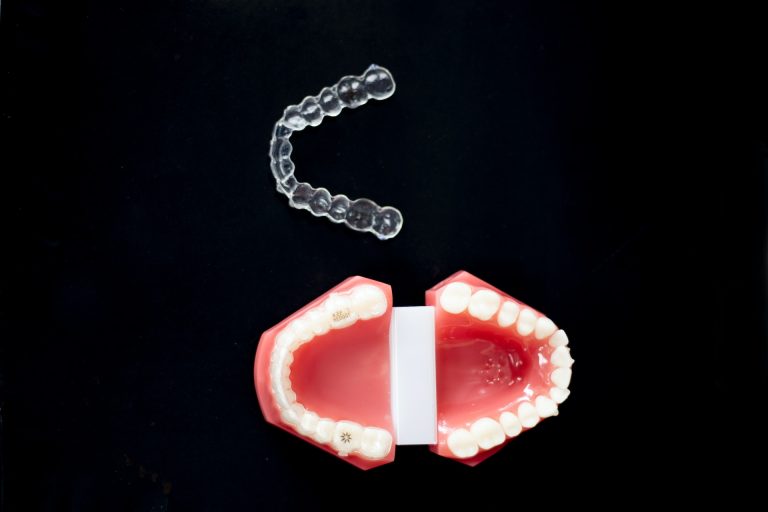
If you feel concerned about pain from a dental bridge, many other patients share the same worry and sometimes postpone treatment because of it. This guide walks you through the procedure, explains how your dentist controls discomfort, and shows what to expect before and after treatment. You will also see how a dental bridge can restore your smile and support your oral health with very little discomfort.
What is a dental bridge?
A dental bridge works as a fixed solution to replace one or several missing teeth. The bridge fills the gap left by missing teeth using artificial teeth that attach to natural teeth or dental implants. The dentist shapes the supporting teeth, known as abutment teeth, and attaches the bridge using dental crowns.
A dental bridge fills the gap and keeps nearby teeth from shifting out of place. When you lose a tooth, the remaining teeth may move, which affects your bite and gum health. A dental bridge supports the adjacent teeth and protects overall dental health.
Is a dental bridge painful?
Many patients ask, “Is getting a dental bridge painful?” Most patients do not feel pain during this treatment. The dentist uses a local anaesthetic first, which keeps the area numb while they work.
You may feel mild pressure while the dentist shapes the tooth for a crown. After the numbness wears off, slight soreness in the gum or tooth is normal. Over-the-counter pain relief usually manages this discomfort.
How does a dental bridge procedure work, step by step?
To place a dental bridge, the dentist shapes the teeth beside the space so they can hold crowns. The team records detailed impressions and sends them to a laboratory to build a well-fitting bridge.
A temporary bridge protects the prepared tooth while the lab makes your final bridge. When the permanent bridge is ready, the dentist removes the temporary one and fixes the new bridge in place, restoring comfort and function.
Do different types of dental bridges affect comfort?
Dentists offer several types of dental bridges, such as traditional, Maryland, cantilever, and implant-supported options.
A traditional bridge uses teeth on both sides for support. A cantilever bridge works in a similar way but uses only one supporting tooth. Implant-supported bridges anchor to implants instead of natural teeth. Your dentist will determine if a dental bridge is the right option based on your needs.
Will a temporary bridge cause discomfort?
A temporary bridge can feel a bit bulky at the beginning. Your tooth and gums may stay sensitive for a few days, which is a normal part of healing after the tooth preparation.
Stay away from very hard foods that could damage your bridge. If your temporary bridge feels loose or uncomfortable, contact your dentist so they can adjust it.
How does a permanent bridge feel once in place?
When the permanent bridge is securely fitted, your dental bridge should feel stable. The bridge can restore chewing ability and speech, especially if you have one or more teeth missing in the front teeth area.
Some patients notice mild sensitivity around the bridge for a short time. This usually settles as the teeth and gums adapt to the new dental restoration.
What are the benefits of dental bridges beyond replacing a tooth?
Dental bridges restore more than missing teeth. They give you a fixed, natural appearance while keeping your bite stable.
A dental bridge can restore confidence and improve chewing comfort. Dental bridges come in different designs, but they all focus on restoring your smile and supporting your remaining teeth.
How should you keep your bridge and protect your teeth and gums?
Proper care is key to keeping your dental bridge healthy. Brush twice daily and clean around the bridge to prevent tooth decay and gum problems. If you take good care of your bridge, it will last longer and your teeth will be healthier generally.
Regular check-ups help your dentist keep an eye on your bridge and your teeth and gums. High-quality dental care can extend the life of a dental bridge.
What if you feel pain after the bridge has been fitted?
Some mild soreness is expected once the bridge is in place. Call your dentist if the pain does not improve or increases. If discomfort persists, it could be a sign of bite misalignment or gum irritation.
If needed, the dentist can fine-tune your bridge for comfort. Prompt reviews reduce the risk of additional dental issues.
How can a dentist help you decide if a dental bridge is the right option?
Reach out to skilled dentists when you’re planning to get a dental bridge. They look at your teeth and gums and suggest the best bridge for you.
At Southside Dental Care, patients receive high-quality dental care and clear advice about the cost of dental bridges and treatment plans. If you are thinking about getting dental bridges or want to know more about treatment, visit our Dental Bridge Glasgow page or call 07743 020777 to book a consultation.