A dental bridge does more than fill a space in your smile. It can restore your ability to chew and speak with confidence. If you are missing one or more teeth, this guide explains how dental bridges can influence your speech, what you can expect during treatment, and how Southside Dental Care can support you in making the right decision.
How can a dental bridge affect your speech?
When you lose a tooth or several, the space left changes how your tongue meets your teeth. Missing teeth can affect airflow and pronunciation, which may lead to speech difficulties. Certain sounds rely on contact between your tongue and your front tooth.
A well-designed dental bridge fills in the gaps and supports clear speech. By replacing the gap left, the dental bridge functions in a way that helps your tongue position return to normal. Many patients notice improved speech clarity once their mouth adjusts.
Do dental bridges affect speech permanently?
Some patients worry that dental bridges affect speech in the long term. In most cases, any change is temporary. You may notice a slight difference during the adjustment period as your tongue adapts to the new artificial teeth.
After a short time, most people speak more clearly than they did when they had missing teeth. Dental bridges improve speech because they restore the structure that was lost. If you ever feel your speech does not improve, your dentist can review the fit.
How does a dental bridge restore chewing and speech?
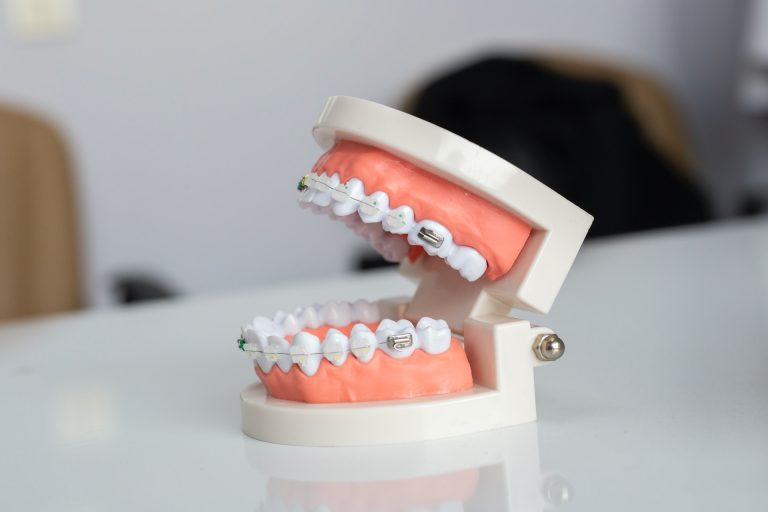
Dental bridges restore chewing and speech by replacing one or more missing teeth with a fixed solution. The bridge is supported by natural teeth or dental implants on either side of the space. A crown is placed over the supporting tooth to hold the bridge securely.
This design helps restore your ability to chew and speak. When chewing pressure spreads evenly across your surrounding teeth, you reduce strain. Dental bridges restore chewing so you can eat a wider range of foods and improve chewing function.
Why do missing teeth change the way you chew?
Missing teeth can affect the alignment of your teeth and your bite. When there is a gap, the adjacent teeth can shift into the space. This can cause misalignment and bite problems over time.
You may avoid certain foods because your ability to chew feels weaker. In some cases, poor chewing and speaking abilities can contribute to nutritional deficiencies and digestive issues. A dental bridge can fill the gap and restore oral function.
What are the benefits of dental bridges?
One of the main benefits of dental bridges is that they are used to replace missing teeth without surgery. Dental bridges are fixed, which means you do not remove them at night. They are supported by natural teeth and designed to match your natural teeth.
By filling the gap, dental bridges keep surrounding teeth in place and protect your oral health. They improve chewing and speaking, and they can rebuild your confidence if missing teeth affect your smile.
How does a dental bridge compare to dental implants?
A dental bridge is often an option for replacing missing teeth when you want a faster treatment plan. Dental implants require a surgical procedure and a longer healing period. Your dentist will examine your oral health and bone support before deciding whether to use your natural teeth or implants to support the bridge.
Both solutions can restore missing teeth effectively. The right choice depends on the condition of your surrounding teeth, your budget, and your long-term goals.
What happens when getting dental bridges?
Getting dental bridges usually involves two visits. At the first appointment, your dentist prepares the supporting tooth and takes impressions. A temporary solution protects the space left while your custom bridge is made.
At your follow-up appointment, the completed dental bridge is placed and fine-tuned. Our dental team at Southside Dental Care checks your bite carefully to ensure comfort and proper chewing pressure.
How should you care for a dental bridge?
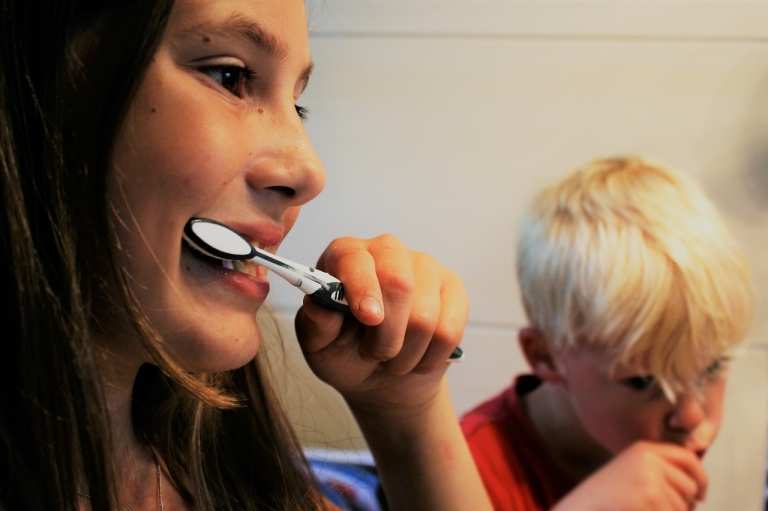
You protect your dental bridge and supporting tooth by following a consistent care routine. Brush twice daily and use the right tools to clean beneath the bridge where plaque can collect. Strong oral hygiene habits and routine cleanings keep your mouth healthy.
Caring for your natural teeth and a dental bridge follows the same routine. With proper care, your bridge can last for many years and continue to restore normal function.
Are you considering dental bridges in Glasgow?
If you are considering dental bridges, book a consultation with Southside Dental Care. We provide aesthetic dental solutions and clear advice about costs, risks, and benefits. You can learn more by visiting our Dental Bridges Glasgow page.
Call us on 07743 020777 to speak with our team and learn how dental bridges can help improve your speech and chewing.