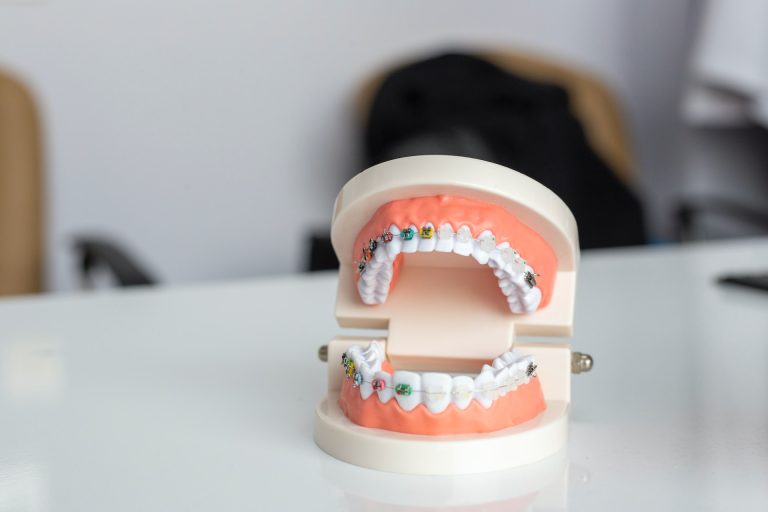
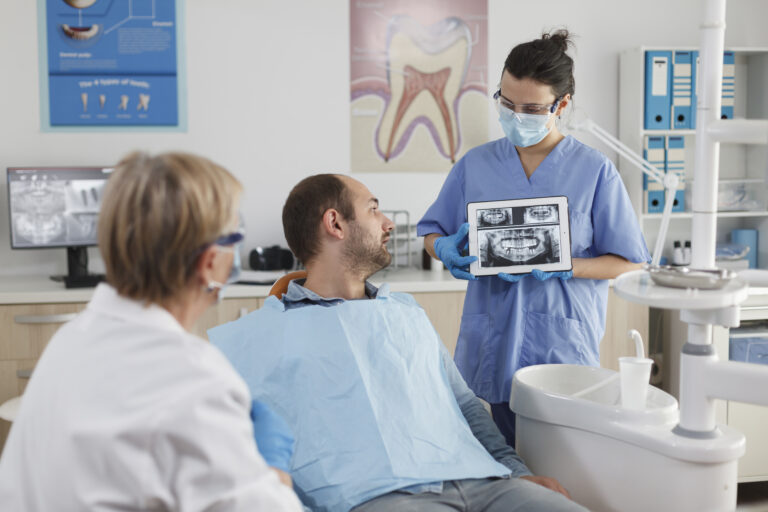
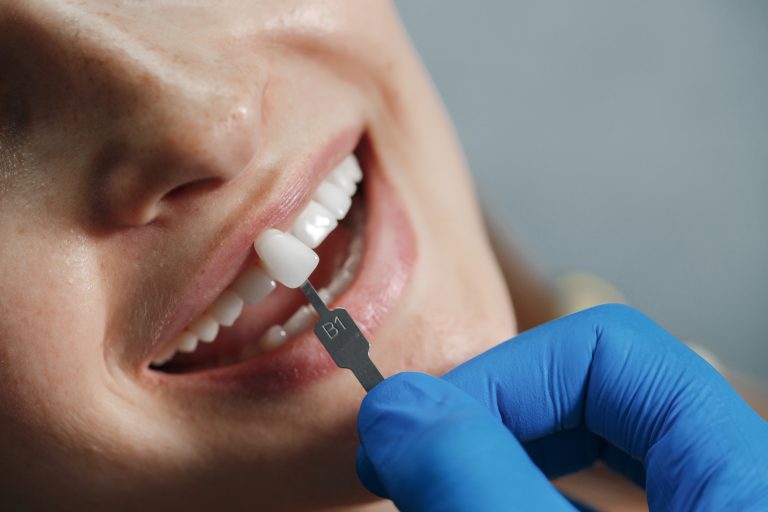
A dental bridge restores a missing tooth and protects the teeth underneath from shifting. Many patients ask if decay under a dental bridge can affect the supporting tooth and cause a cavity. This guide explains how tooth decay develops, what signs of decay to watch for, and how your dentist can help you protect your teeth and bridge for years.
Can decay under a dental bridge really happen?
Yes, decay under a dental bridge can develop if plaque builds up around the crowns of the bridge. The bridge may cover part of the natural teeth, but the tooth structure underneath the bridge still faces the risk of decay.
Decay happens when bacteria feed on sugars and create acid. If you do not clean under the bridge properly, food particles collect around the bridge and increase the chance of decay under the bridge.
What causes tooth decay beneath a bridge?
The main causes of decay beneath a bridge include poor oral hygiene and gaps where the bridge meets the tooth. If the bridge doesn’t fit properly, bacteria can enter and attack the natural teeth supporting the restoration.
When decay occurs at the edge where the bridge meets the gum, the tooth may develop a cavity. Over time, decay around the margins can weaken the abutment teeth and affect the entire bridge.
Which teeth are most at risk, supporting teeth or teeth underneath?
The teeth that support the bridge, known as abutment teeth, bear its weight. These teeth supporting the bridge must stay strong to maintain the structure.
Teeth underneath the bridge and the natural teeth on either side face the highest risk of decay. If decay under a bridge progresses, the bridge becoming loose is possible.
What are the signs of decay under a bridge?
Common signs of decay include sensitivity, bad breath, or a bridge that feels loose. You might feel some discomfort when chewing with the affected tooth or teeth.
If decay beneath the crowns of the bridge spreads, severe decay can lead to infection. In some cases, root canal treatment becomes necessary to save the tooth.
How does the dental bridge procedure affect tooth health?
During the dental bridge procedure, your dentist prepares the natural teeth for support. This step removes some enamel, so dental crowns can fit securely.
Because enamel is reduced, the tooth becomes more vulnerable if cleaning is poor. That is why good bridge care after replacing missing teeth is essential.
How can you prevent decay under bridge restorations?
To prevent decay, brush your teeth at least twice daily and use dental floss designed to clean under the bridge. Cleaning around the bridge and along the gum line protects your teeth and gums.
Good oral hygiene lowers the risk of decay and gum disease. Regular dental check-ups at your local dental centre allow your dentist to spot early decay under bridge areas.
What treatment options if decay is found?
Treatment options if decay is detected depend on severity. Minor decay around a crown may need a filling or small repair.
If severe decay affects the supporting teeth, removing the bridge may be required. Your dentist will create a treatment plan that may include root canal treatment or fitting a new dental bridge.
Do dental bridges offer the same protection as dental implants?
Dental bridges offer a reliable solution for replacing missing teeth, but they rely on natural teeth for support. Dental implants replace missing teeth without using adjacent teeth.
Both options restore oral health, yet decay under bridge restorations can still develop if hygiene slips. Patients with bridges must stay consistent with dental care.
Why are regular visits to a dental office important?
Regular dental check-ups help keep your bridge in good condition. Your dentist examines the bridge and supporting teeth for early signs of decay.
A professional cleaning at a family dental or standard dental clinic removes plaque from areas you may miss. This helps keep your bridge secure and your teeth healthy.
Where can you get expert advice in Glasgow?
If you have one or more missing teeth or suspect decay under bridge restorations, speak to a trusted dentist. Southside Dental Care provides expert assessment and guidance on bridge care and long-term maintenance.
You can learn more about treatment for a dental bridge at Southside Dental Care by visiting our Dental Bridges Glasgow page. For advice tailored to your dental needs, call 07743 020777 and book a consultation at this experienced dental centre.