If you are asking, “How long after a dental bridge can I eat?”, you are not alone. After getting a dental bridge, you want to know when you can eat safely without damaging your new bridge. This guide explains what happens during dental bridge recovery, what to eat in the first 24 hours, and how to protect your tooth and gum health.
What Happens During a Dental Bridge Procedure?
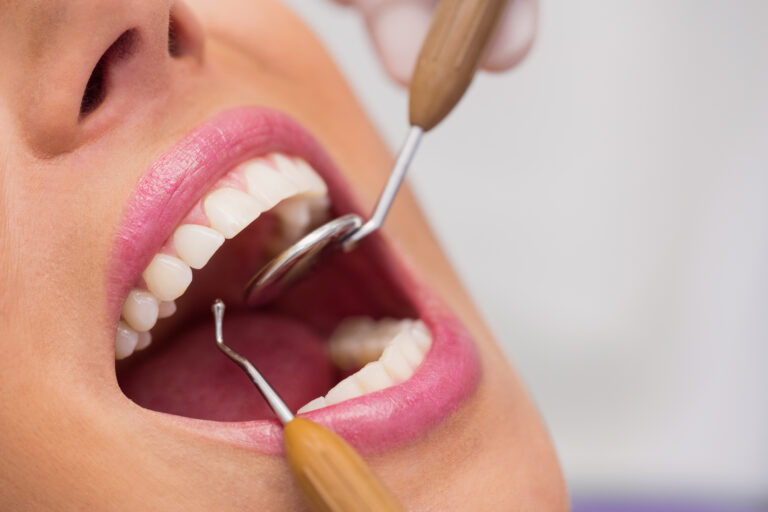
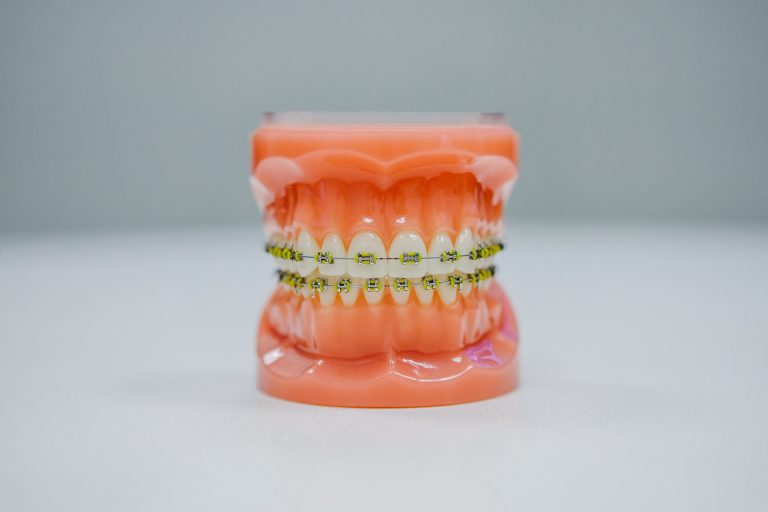
A dental bridge procedure replaces missing teeth using crowns and bridges attached to abutment teeth. The dentist prepares each tooth, takes impressions, and sends details to a dental laboratory or dental lab to create the permanent bridge.
During dental bridge placement, the dentist uses cement to secure the fixed bridge in place. If you are receiving a dental bridge for the first time, you may have worn a temporary crown or temporary bridge while waiting.
Dental Bridge: Can I Eat Immediately After Cement?
Many patients ask, “Can I eat straight away?”. In most cases, your dentist may recommend waiting until the cement fully sets.
Do not eat on the side of your dental bridge for the first 24 hours. The cement requires time to set fully, and chewing too soon may weaken the bridge.
What Should I Eat in the First 24 Hours?
For the first 24 hours, stick to soft foods. Mashed potatoes, yoghurt, and soup put less pressure on your new bridge.
Avoid sticky foods and hard foods. Sticky or hard foods can pull at the bridge and disturb the cement before it fully bonds. Sticking to soft foods supports oral health and helps you eat comfortably.
Is It Different With a Temporary Crown or a Temporary Bridge?
Yes, a temporary bridge may feel less stable than a permanent bridge. Temporary cement is weaker, so avoid eating hard or sticky foods.
If your bridge is placed after an extraction, your dentist should explain the exact care steps you need to follow. Strictly follow your dentist’s advice to protect the bridge and supporting teeth.
How Long After Dental Bridge Can I Eat Normally?
After a dental bridge is placed, most patients can go back to their normal diet within a few days. The dental bridge takes time to settle, and you may experience some sensitivity in the first few days.
Once the permanent bridge is secure, you can chew on both sides. Eating after a dental bridge becomes easier as your gums and teeth adjust.
Does It Change If I Have Dental Implants?
If your bridge connects to an implant, healing time may differ. Dental implants integrate with bone, so your dentist will advise when you can chew normally.
Teeth or implants both require careful dental hygiene. Following a dental bridge on an implant, maintaining good oral hygiene is essential to prevent gum disease.
How Do I Protect Surrounding Teeth and Gums?
Keep the bridge area safe with gentle brushing and daily flossing, as this spot often catches food.
Regular brushing and flossing support dental health and prevent dental problems. Thoroughly clean your teeth and focus on the area around the bridge and surrounding teeth.
What Are the Signs of Dental Problems After Placement?
Pay attention to persistent pain, swollen gums, or discomfort when chewing. It’s normal to feel a little sensitivity following the procedure.
If the bite feels uneven or the false tooth feels loose, contact your dentist. Early action helps restore dental stability and protect good dental outcomes.
When Should I Contact My Dentist?
Contact your dentist if you notice pain that worsens, bleeding gums, or movement in the new dental bridge. Regular dental reviews support long-term oral health.
At Southside Dental Care, the team provides expert dentistry for missing teeth and dental bridges. If you have questions about dental bridge recovery or eating safely, call 07743 020777.
You can also learn more by visiting our Dental Bridges Glasgow page and learn what to expect during dental bridge placement at Southside Dental Care.