We’ve all experienced those evenings when we were too exhausted to wash our teeth, thinking, “Skipping just one time won’t hurt, right?” But what happens if you don’t brush? A day? One week? One month? Spoiler alert: It is not pretty. Let’s go over some key milestones so you understand exactly what happens when you stop brushing—and why it’s better not to push the limits.
Overview Of Impending Dental Health Problems When You Don’t Brush Your Teeth
Brushing twice a day helps reduce plaque accumulation, which may occur within hours
✔ Skipping a few days leads to foul breath and gum irritation.
✔ After a week, tartar develops and brushing becomes less effective.
✔ Not brushing for a month can cause cavities and early gum disease due to plaque buildup.
✔ After a year, tooth loss and severe infections are possible.
✔ Brushing, flossing, and regular dental appointments can avoid these issues!
How Quickly Will Your Oral Hygiene Suffer If You Don’t Brush Your Teeth and Floss
Technically, you may go without brushing for as long as you like, but your teeth and gums will suffer as a result. Most dentists believe that missing even one day allows plaque to build up. In three days, your breath will not only be “morning breath” awful, but also significantly unpleasant. Tartar (hardened plaque) occurs after one week, making it more difficult to clean your teeth. Going a month without brushing can lead to serious tooth decay. Expect cavities, gum irritation, and the potential onset of gum disease if you skip brushing. If you extend it to a year, you’re looking at severe decay, loose teeth, and maybe tooth loss. In brief, you should brush at least once a day. Every day, at least twice. It takes little work to maintain good care of your teeth for the rest of one’s life.
Let’s learn more about what occurs in your mouth when you don’t brush your teeth for a certain amount of time.
What Happens If You Go Without Brushing For A Few Days?
After two or three days without brushing, things worsen. Plaque continues to build when you skip brushing, trapping food particles and generating foul-smelling gases. Hello, terrible breath! This is not simply “I had garlic for lunch” breath. No amount of mint can mask the unpleasant, acidic odour. Furthermore, germs begin to accumulate underneath your gums, laying the groundwork for gingivitis (early gum disease). What to do: If you haven’t brushed in a few days, take your toothbrush right away and floss thoroughly. Also, drink plenty of water to help wash away some of the buildup.
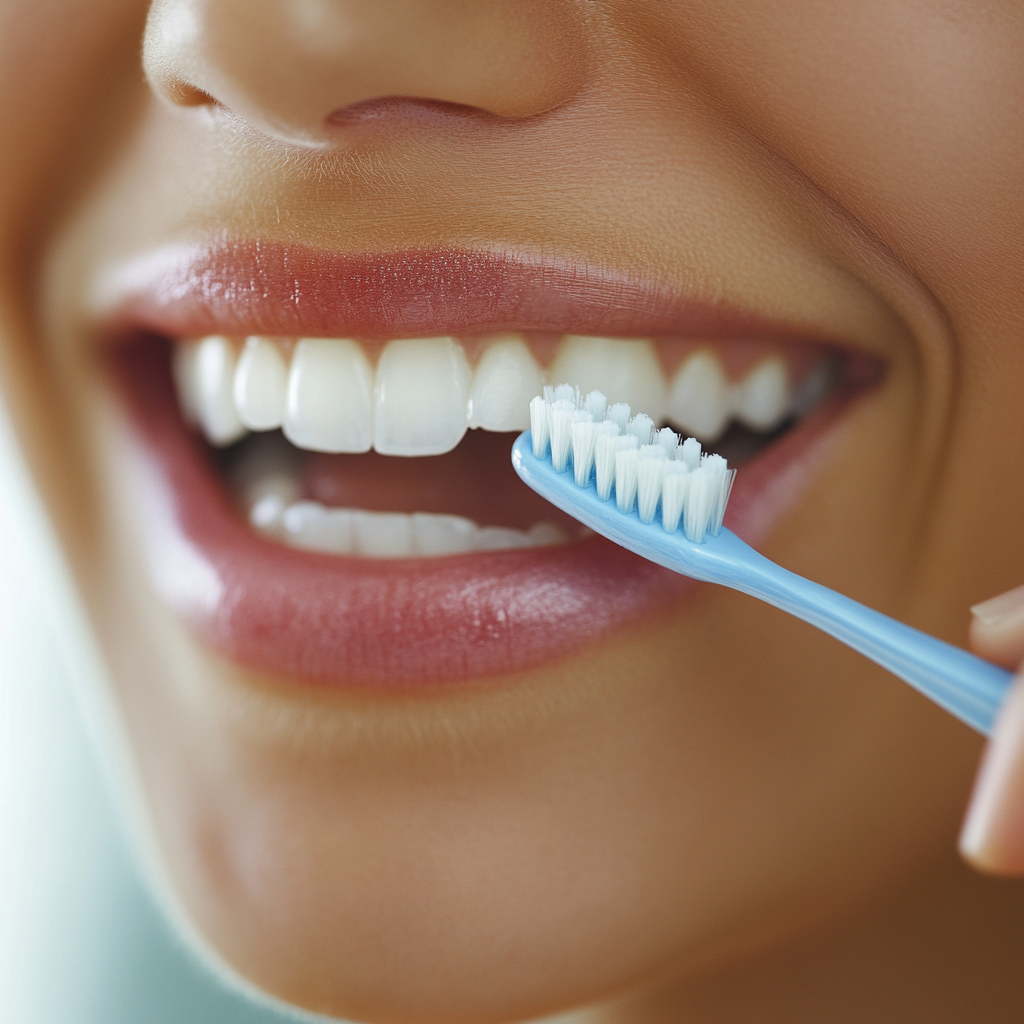
What Happens If You Don’t Keep Your Teeth Clean For A Month?
After four weeks, your teeth and gums are in considerable distress. Tartar continues to develop, and cavities are formed. Your gums may feel sore, bleed easily, and begin to tear away from your teeth. If you have gone a month without brushing your teeth, you are in the early stages of gum disease (gingivitis). The good news is that if treated early on, gingivitis may be reversed. However, if not treated, it can progress to periodontitis, a severe type of gum disease that results in irreversible damage. What to do: See a dentist right away for a full cleaning and begin brushing twice a day. No more excuses.
The State Of Your Oral Health After One Year
At this point, we’re talking about significant harm. Teeth may become loose or fall out, and infections can spread to the jawbone and bloodstream, causing more serious health problems if tooth decay sets in. Yes, untreated oral infections have led to hospitalisations. It’s more than simply foul breath or yellow teeth; your dental health has an impact on your whole health. What to do: If it has been a year (or even close), consult a dentist right away. Deep cleanings, fillings, or extractions may be required to restore the damage.
Southside Dental Care Can Help
Even if you brush and floss correctly every day, you should still visit the dentist regularly. Why? Because plaque hardens into tartar, no amount of brushing can eliminate it. Professional cleanings accomplish three key tasks:
- Remove tartar and plaque – Dentists use specific instruments to scrape away hardened tartar, which helps to prevent cavities and gum disease.
- Examine for early symptoms of problems – Many dental diseases, such as cavities and gum disease, begin quietly. A dentist can detect them before they become problematic (and costly to treat).
- Prevent long-term damage by cleaning your gums on a regular basis.
How frequently should you go? At least twice every year. However, if you are prone to cavities, have a history of gum disease, or use braces, you may require more regular checkups. Skipping professional tooth cleanings might erase all of your good work at home and lead to tooth decay. So, even if you are the finest brusher in the world, don’t skip your dentist appointments! At Southside Dental Care we can help. Book your appointment today.