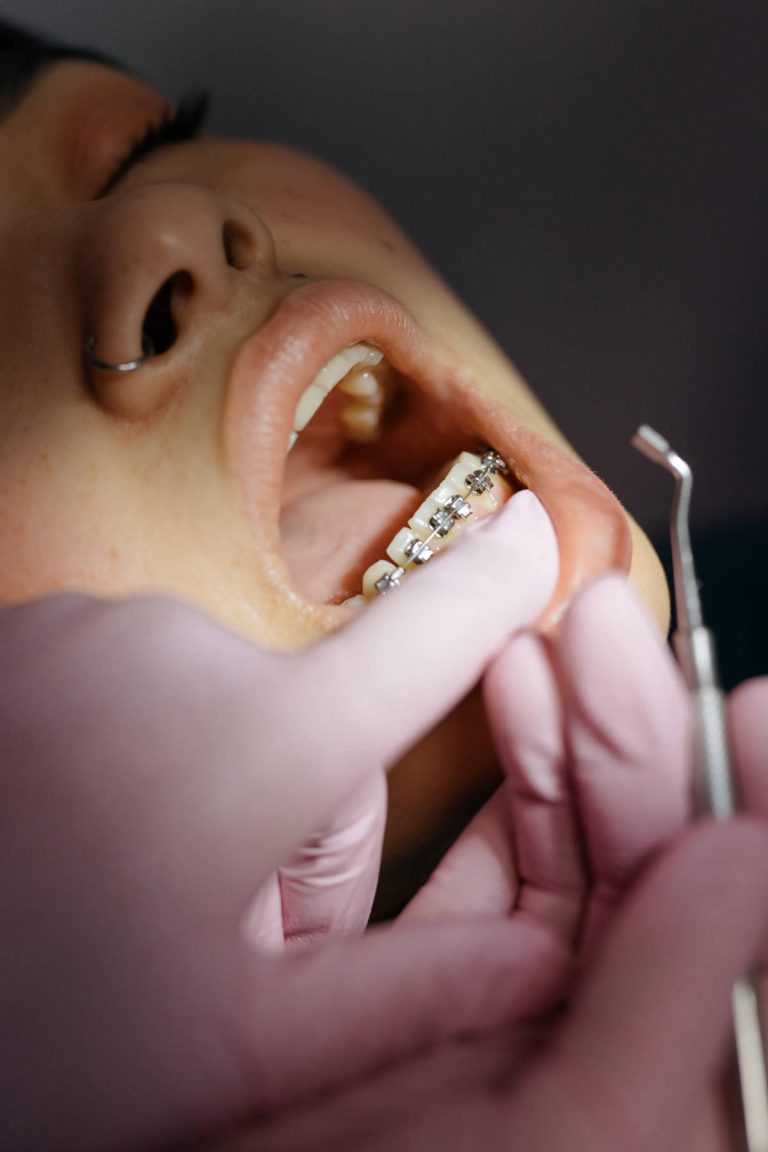
Missing teeth often lead you to question how many teeth a dental bridge can replace and if a fixed bridge or an implant is the better choice. In this guide, you will see how bridges close spaces, learn what affects their support range, and find out how to choose the right option for your smile.
What Is a Dental Bridge and How Does It Work?
A dental bridge works as a permanent way to restore missing teeth. Artificial teeth, called pontics, fill the gap and attach to the natural teeth beside it. The dentist prepares the supporting teeth and secures the bridge with dental crowns.
Dentists usually make bridges from porcelain fused to metal or other durable materials. They secure the bridge in place, so you regain normal chewing and a natural look. Modern dentistry uses this method to provide a long-lasting replacement for missing teeth without the need for a removable denture.
How Many Teeth Can a Dental Bridge Replace?
Dental bridges can replace different numbers of teeth based on several considerations. Most bridges fill gaps of one to three teeth, while some can handle up to four when the supporting teeth are strong. How many teeth a bridge can support depends on the missing teeth, the strength of the supporting teeth, and where the gap sits in the mouth.
What Types of Dental Bridges Are Available?
There are different types of dental bridges. A traditional bridge uses two or more crowns placed on neighbouring teeth to support the bridge. A cantilever bridge is used when there is only one supporting tooth on one side of the gap.
A Maryland bridge uses resin and a metal or porcelain framework bonded to the back of surrounding teeth. An implant-supported bridge attaches to a dental implant rather than natural teeth. Different types of bridges meet different clinical needs, and each type provides its own advantages.
Can a Bridge Replace Multiple Missing Teeth in a Row?
Yes, bridges can fill gaps with several missing teeth, including up to four teeth in certain situations. When teeth are missing in a row, the dentist evaluates the condition of the abutment teeth and your gums. The bridge can replace multiple teeth when there is enough strength on either side of the gap.
For longer spans, an implant-supported bridge may offer better stability. This eases pressure on your healthy teeth and helps prevent wear, tear, and bone loss over time.
Is an Implant-Supported Bridge Better for Many Teeth?
When you need to replace four or more lost teeth, an implant-supported option often works well. A dental implant provides a strong anchor directly in the jawbone. An implant-supported bridge connects to teeth or implants for improved stability.
This option supports the bridge without relying only on natural teeth. It can also be used for back teeth, where the biting force is higher. Your dentist will explain if an implant or bridge can also meet your goals.
How Does the Dentist Decide the Number of Teeth?
How many teeth a dental bridge can restore depends on the condition of your gums, the strength of the supporting teeth, and where the gap is. Your dentist will assess your teeth and gums and look for decay before fitting a bridge.
If you are missing one or two teeth, a traditional bridge may work. If you are missing front teeth or one on either side of the missing space, the dentist will review whether two teeth, three, or more can be safely supported.
Can a Dental Bridge Restore Front Teeth?
A dental bridge can restore missing front teeth and improve confidence. Porcelain materials match your surrounding teeth, so the bridge blends naturally.
When a dental bridge replaces a single tooth in the front, careful design protects the gum line and keeps the result natural. Bridges can be used for missing front teeth as long as strong abutment teeth are present.
What Happens During Bridge Treatment?
Bridge treatment usually takes two visits. The dentist prepares the abutment teeth and may place a temporary bridge. This protects the teeth next to the gap while your final dental restoration is made.
Once complete, the dentist installs the final bridge and uses dental crowns to keep it securely in place. The bridge improves chewing and provides an effective replacement for missing teeth.
How Long Does a Dental Bridge Last?
How long a bridge lasts is influenced by how well you care for your teeth and the pressure from chewing. When maintained well, dental bridge restorations often remain effective for 10 to 15 years or longer.
Regular checkups, thorough cleaning around the crown and under the bridge, and strong gum care all help maintain your bridge. Should you need a new bridge in the future, your dentist will examine your situation and recommend suitable choices.
How Do You Choose a Dental Bridge in Glasgow?
To choose a dental bridge, you need a full assessment. At Southside Dental Care, dentists offer customised recommendations considering both your missing teeth and what you want to achieve with your smile. You can learn more by visiting our Dental Bridges Glasgow page.
Southside Dental Care offers modern dentistry designed to keep you comfortable and support lasting outcomes. If you plan to rebuild your smile and want to know if a dental bridge suits your missing teeth, call 07743 020777 to book an appointment.