What Is A Loose Tooth?
A loose tooth is wobbly. Loose teeth are a common occurrence in childhood. However, having a loose adult (permanent) tooth is quite uncommon. It always indicates an underlying condition, such as trauma or sickness.
Seeing your dentist as soon as you discover symptoms may help you salvage a loose tooth. Nonsurgical therapies such as dental cleanings and improved home oral hygiene can help some loose teeth tighten back up. In some circumstances, you may require oral surgery to fix or remove the loose tooth. However, waiting too long to see a dentist can lead to more serious issues such as discomfort, swelling, and infection.
Symptoms & Causes: What Dental Care Signs Indicate A Loose Tooth?
Wobbly teeth might feel unusual, especially while brushing, flossing, and eating. A loose tooth could just feel “off” when you bite down.
You may also experience symptoms such as:
Red and sensitive gums.
Bleeding gums.
Swollen gums.
Gum recession.
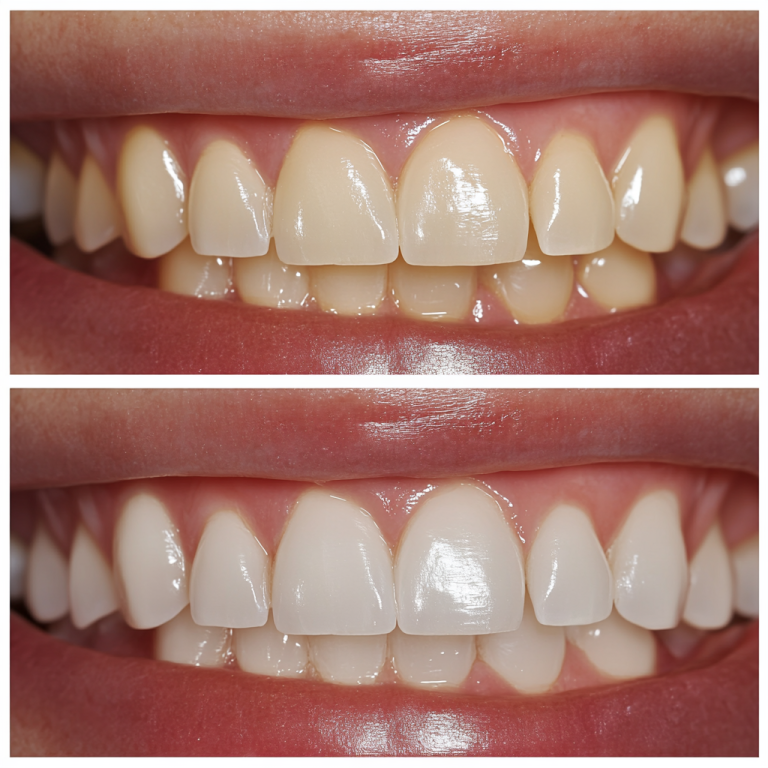
Teeth discolouration.
What causes a loose tooth?
Children’s primary (baby) teeth loosen and fall out when their permanent (adult) teeth come through the gums.
Adult teeth might become loose due to the following reasons:
Periodontal (gum) disease: Periodontitis deteriorates the bone and ligaments that support your teeth. This is the leading cause of loose teeth (and tooth loss) in people worldwide.
Dental Trauma: Mouth traumas, such as sports-related incidents, can result in one or more teeth becoming loose.
Bruxism, or Tooth Grinding: Grinding or clenching your teeth might result in tooth mobility over time.
Pregnancy: During pregnancy, progesterone and oestrogen levels might rise, momentarily loosening the tissues that keep your teeth together. Gingivitis is the term used by doctors to describe pregnancy. People with pregnancy gingivitis frequently report that their symptoms disappear after childbirth.
What are the consequences of a loose tooth?
Having a loose tooth can lead to:
Malocclusion (bite difficulties).
Having difficulty chewing.
Excessive strain on neighbouring teeth.
These factors can exacerbate existing damage, creating a vicious cycle of oral health issues.

Diagnoses and Tests: How Is A Loose Tooth Diagnosed By A Dentist?
A loose tooth is usually obvious. You will be able to detect it with your tongue or finger. Alternatively, you may notice that your bite changes as your upper and lower teeth come into contact.
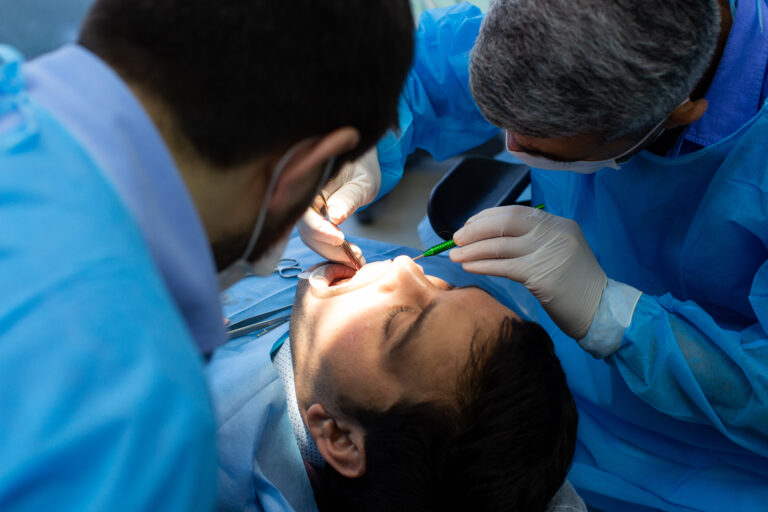
During an evaluation, a dentist can tell you more about your loose tooth and suggest a treatment plan.
Management & Treatment Options For Loose Teeth: How Are Loose Teeth Treated?
Treatment is determined on the severity of your disease and the underlying cause of the loose tooth.
If trauma (such an accident or chronic teeth grinding) produced a loose tooth, your dentist may prescribe nonsurgical treatments such as:
Bite adjustment: A dentist removes a little bit of enamel from both the loose tooth and the neighbouring tooth. This relieves strain on your bite and helps your weak tooth to recover.
Mouth guard: If you grind or clench your teeth, this dental appliance can help protect them from excessive pressure and harm.
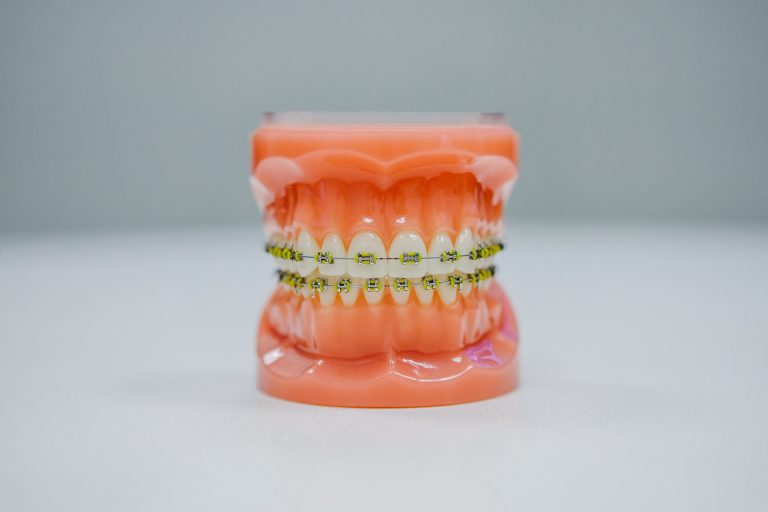
Splinting: If your loose tooth has not pulled away from your gums, splinting may be beneficial. During this operation, a dentist binds (glues) two adjacent teeth together. This might provide additional support for your loose tooth and prevent it from shifting as it repairs.
If gum disease has developed, loose teeth, you may require surgical procedures such as:
Scaling and root planing.
Osseous (flap) surgery.
Dental bone transplants.
Gum grafts.
How do I tighten a loosened tooth at home?
Wobbly permanent teeth require professional attention. Delaying a dental appointment frequently worsens symptoms. However, there are certain things you may do to care for your loose tooth until you get to your dentist’s office.
Rinse your mouth with warm salt water to relieve irritation.
Avoid hard, crunchy, or chewy meals.
Use an antibiotic mouth rinse twice a day to minimise oral microorganisms.
Doing these things will not tighten a loose tooth. However, they can lower your risk of more issues until you can visit your dentist.
How Can I Tell When A Loose Tooth Is Beyond Remedy?
Sometimes a loose tooth is beyond salvaging. When this occurs, your dentist will most likely propose removing the tooth and replacing it with a bridge or dental implant.
Consult your dentist about the risks and advantages of each treatment choice. They can help you determine which option is best for you.
Outlook / Prognosis: What’s The Prognosis For Loose Adult Teeth?
A loose tooth does not necessarily indicate that you will lose it. Many times, dentists can salvage wobbly teeth. However, early therapy is crucial. The sooner you get help, the better.
Prevention: Can I Avoid Loose Teeth?
You cannot always avoid loose teeth since some reasons (such as accidents and injuries) are inevitable. However, there are certain things you may do to reduce your risk of loose teeth in general.
Practice proper oral hygiene.
Avoid smoking and vaping.
If you grind your teeth, you should use a sleep guard.
When participating in contact sports, remember to use a mouth guard.
Take adequate calcium and vitamin D.
Visit your dentist on a regular basis.
Living With
When Should I Visit My Dentist?
In general, you should visit Southside Dental Care Glasgow on a regular basis for checkups and cleanings. Many people respond favourably to visits every six months. If you have a history of gum disease or cavities, you may need to schedule more regular checkups. During these appointments, your dentist can examine your teeth and gums for any problems.
If you acquire loose teeth between visits, call your dentist to schedule an extra appointment. It might indicate that you have gum disease. Your dentist can begin treatment immediately soon to lower your risk of future problems.