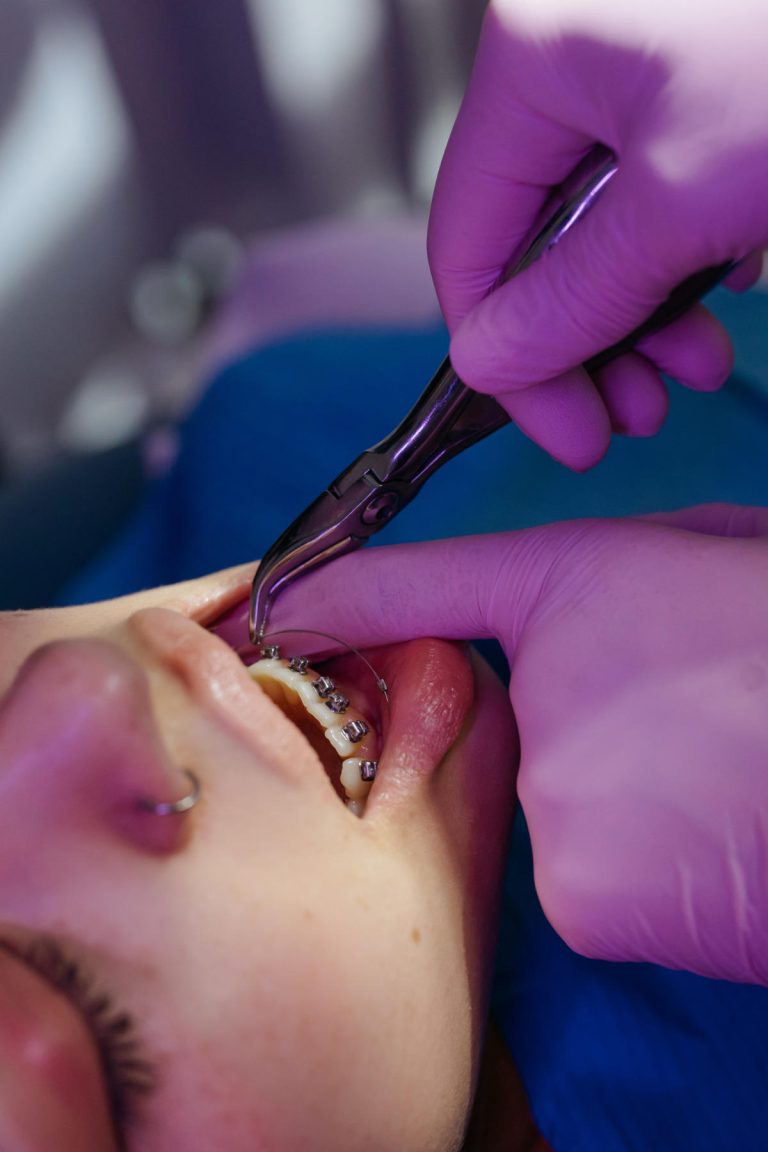
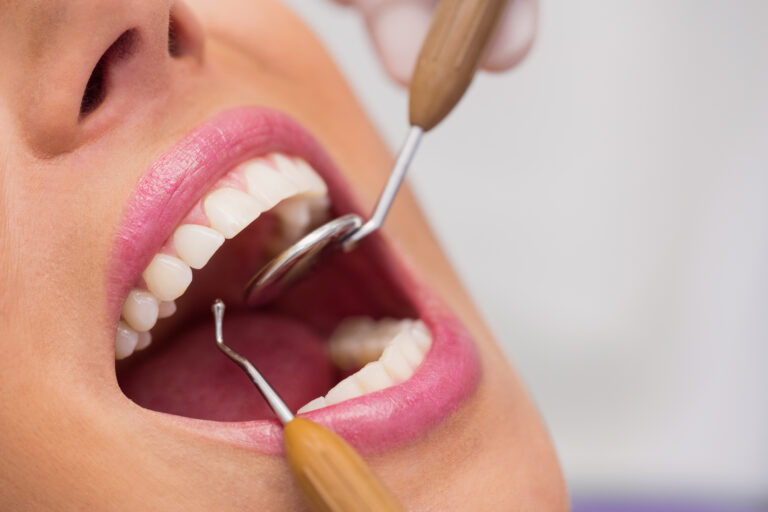
Some of us frequently postpone visits to the dentist. We may have good intentions, but it’s all too easy to procrastinate on tasks like changing your car oil, assessing your insurance coverage, or cleaning out the pantry, and before you know it, it’s been a startlingly long time since your last visit.
Most people should visit their dentist once a year for a checkup and x-rays (unless they have dental issues that require more regular monitoring). Dental hygiene consultations have been increasingly popular in recent years due to their usefulness in preserving oral health. Your dentist will usually prescribe a thorough cleaning once or twice a year. What happens if you don’t go to the dentist for a long time? Let’s see what happens if you put off going to the dentist for too long.
What Happens If You Don’t See a Dentist for Your Yearly Checkup?
During this time, you might be developing new cavities, having existing cavities expand in size, or experiencing the early stages of gum disease, which leads to gingivitis. This is more likely to occur if you do not brush and floss frequently and consume a lot of sugary drinks or foods.
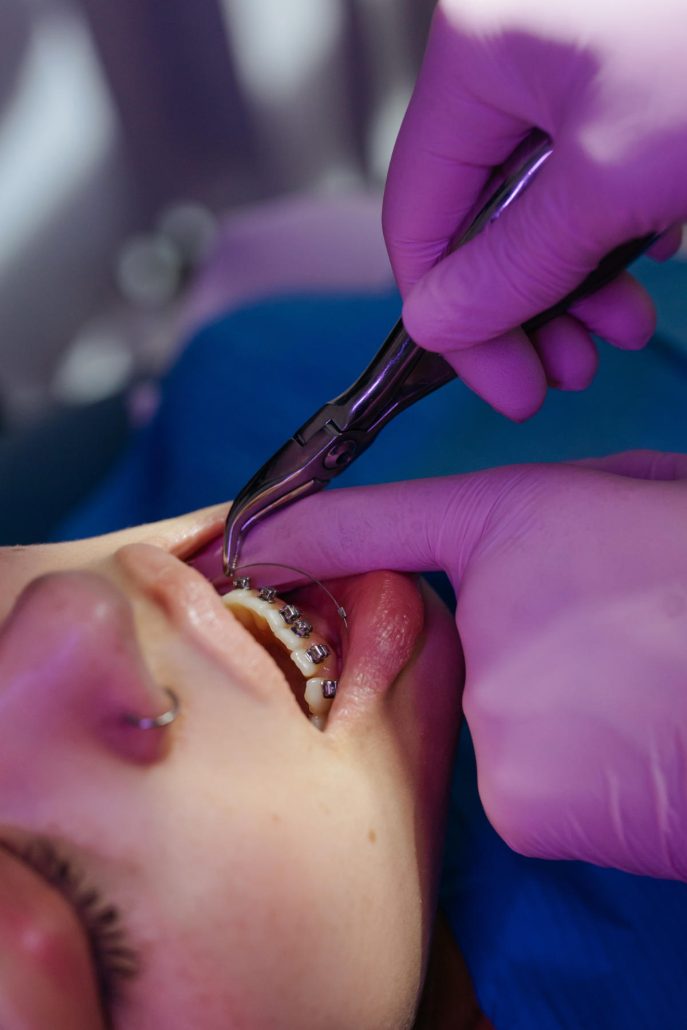
How Long Does It Take for Gum Disease and Tooth Decay to Develop?
Let’s say it’s been more than two years since your previous dental exam. Any dental cavities may have advanced to the point where a filling is no longer sufficient. Tooth sensitivity and soreness are frequent symptoms, and if a filling is insufficient, a root canal and crown may be necessary to save the tooth. This is not only painful, but also far more expensive than a basic filling. In two years, gum disease, the first stage of periodontal disease, can progress to periodontitis, which damages soft tissue and causes bone loss.
What Happens When You Don’t Visit The Dentist For Years? Think About Tooth Loss, Bad Breath, Cavities, and Dental Complications!
Years of disregarding dental care can result in catastrophic consequences, including tooth loss and structural damage to the teeth and jaw. As dental decay and gum disease progress, they can decrease tooth structure, increasing the risk of fractures and the need for extraction. It is crucial to emphasise that deferring procedures such as dental crowns can lead to a series of complications that impair both oral health and financial stability.
Tooth loss is the removal of permanent teeth, which can affect eating and speaking skills. Permanent damage to the teeth and jaw may demand expensive treatment.
Tooth loss can affect a person’s emotional and social well-being. Regular dental treatments are critical for avoiding major consequences and safeguarding overall health. For more advice on maintaining oral hygiene, read about what to expect at a typical dentist appointment.
What Are the Advantages of Regular Dental Visits?
Consider maintaining good oral hygiene, preventing tooth decay and plaque, and getting your dental care back on track.
One of the key benefits of scheduling regular dentist checkups is early detection of tooth problems. According to a study, oral health issues typically indicate underlying health difficulties. People with gum disease, for example, may struggle to maintain stable blood sugar levels, but frequent treatment can aid in diabetes management. Routine dental checkups can identify potential issues and allow for preventative treatment before they develop. Common concerns can be identified early. Early diagnosis can prevent further degeneration and tooth loss. Regular visits can help halt the course of gum disease and prevent more serious health problems. Early treatment can significantly improve the outcome of oral cancer.
Visit the Dentist: Southside Dental Care.
Southside Dental Care Glasgow is a prominent dental practice that prioritises patient care. Aims to promote great oral health; it is critical to understand the repercussions of failing to care for your teeth and gums regularly. We are here to help you keep your mouth healthy, which will ideally lead to a healthier body and less frequent dental visits. To arrange an appointment, please visit our website now.