Brushing your teeth before food may be more beneficial to your tooth enamel and overall oral health than brushing afterwards. If you want to do it after each meal, set aside 30-60 minutes for best oral health. Many people wash their teeth at the same time every day to establish a consistent brushing routine. Brushing one’s teeth in the morning and again in the evening appears to be the norm for most individuals. This simple schedule develop brushing your teeth twice a day as a habit. But what if you’ve been cleaning your teeth at the incorrect phase of your routine, such as not brushing my teeth before breakfast? Drinking your morning orange juice when you still have the taste of fluoride on your tongue may not be the most appealing, but it may benefit your teeth.
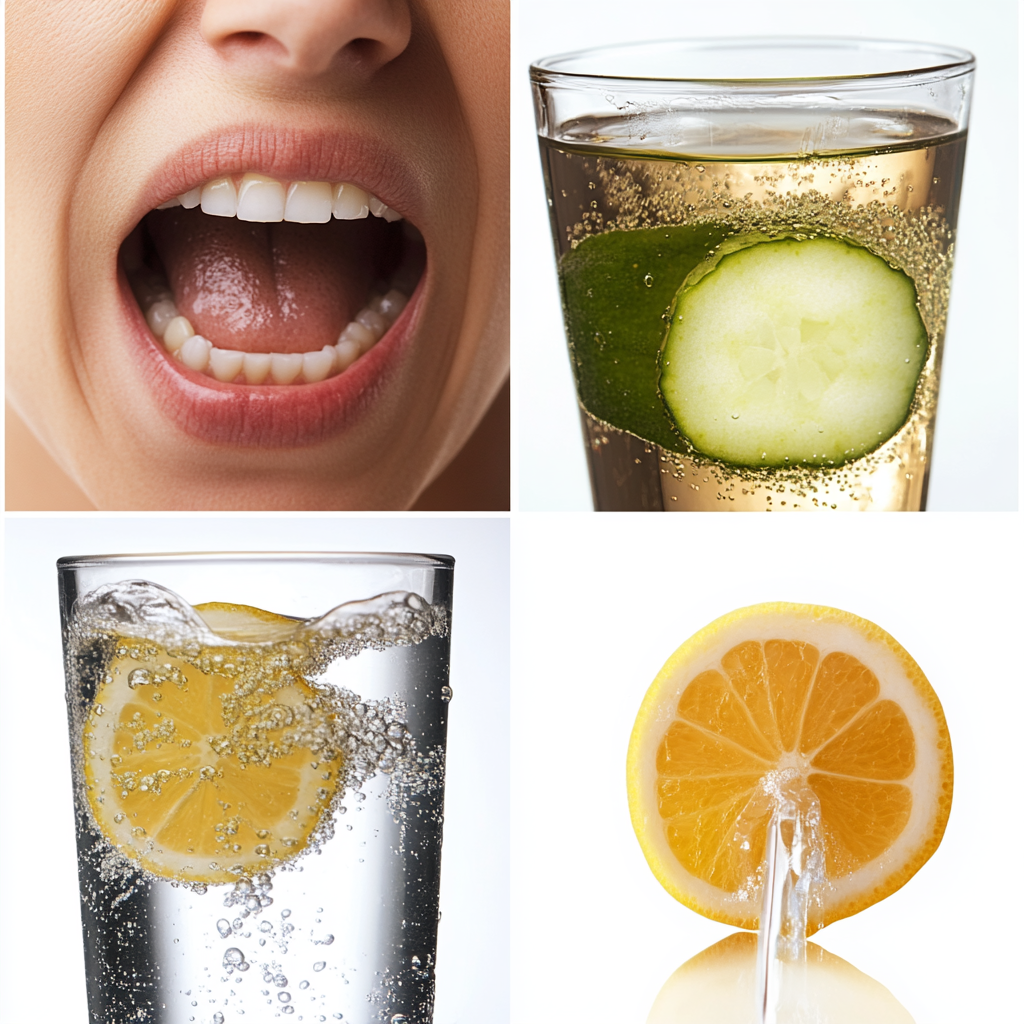
Is It Better to Brush Before Breakfast and other Food?
There may be a scientific solution to this problem with foul breath. While you sleep, plaque-causing bacteria grow in your mouth. That’s why you might wake up with a “mossy” taste and bad breath. Fluoride toothpaste and mouthwash are useful in removing plaque and bacteria from your teeth, helping to protect your teeth effectively. It also creates a protective coating on your tooth enamel against acidic meals, which is essential for maintaining tooth health. Brushing your teeth early in the morning boosts saliva production. Saliva improves digestion and naturally removes harmful microorganisms in the mouth, which helps to protect your teeth from tooth decay.
Is It Still Possible to Brush Your Teeth after Breakfast or Other Food?
Brushing after food works better for your morning routine; nevertheless, keep the following things in mind. Waiting 30 minutes to an hour after eating to clean your teeth is the most effective way to safeguard your teeth and avoid destroying your enamel, especially if you ate something acidic. Food and beverages, such as toast, lemon, and coffee, fulfil the acidity criterion. Brushing rapidly after food may leave acidic food residue on your teeth, eroding the enamel and making it harder to protect your teeth. food staples are among the worst foods for your tooth enamel, including
Orange Juice with Citrus Fruit
Dried Fruit
Bread and pastries
As a result, brushing your teeth just after food might be extremely damaging to your oral health. Drinking water or chewing sugar-free gum after a meal but before cleaning your teeth is also useful to help protect your teeth.
How to Brush Your Teeth After Eating and Use Dental Floss Effectively
Here’s how dentists suggest cleaning and flossing your teeth:
Brush your teeth on both sides with a soft-bristled toothbrush and fluoride toothpaste.
Replace your toothbrush every three to four months to keep your teeth healthy and ensure the bristles are effective.
When brushing your teeth, use small circular movements and quick back-and-forth strokes. Brush gently and lightly along the gumline to avoid damaging the bristles of your toothbrush. To keep your mouth clean, softly brush your tongue or use a tongue scraper after you brush and floss. Clean the gaps between your teeth with dental floss, pre-threaded flossers, a water flosser, or a similar instrument. Flossing removes plaque and food particles that toothbrushes cannot reach. After flossing, rinse your mouth with water to help protect your teeth from plaque buildup. Whether you brush your teeth before or after food, see our dentists to maintain your oral hygiene.
Even though Southside Dental Care Glasgow seeks to encourage excellent oral health, it’s crucial to be aware of what might happen if you don’t care for your teeth and gums regularly. We are here to assist you in keeping your mouth healthy, which will hopefully lead to a healthy body. Visit our website and schedule an appointment to enhance your oral health!