In Glasgow, composite bonding is a popular way to improve the look of teeth because it is quick and minimally invasive. Many people who come to Southside Dental Care choose bonding to fix their chipped, gapped, or crooked teeth. To help you choose if this is the right dental procedure for you, you should learn about the negative outcomes that might occur.
Below, we look at the main negatives of composite bonding so you can make an informed choice.
Composite bonding is not permanent
One of the main drawbacks of composite bonding is that it does not last forever. In most cases, bonding lasts between 3 and 10 years, depending on where it is placed and how well it is looked after. Over time, the material can wear down, chip, or lose its polish.
Most fixes are easy, but the bonding material will need to be maintained or replaced at some point. If a patient wants a long-term answer, they might want to look into other options like veneers or crowns.
It can stain over time
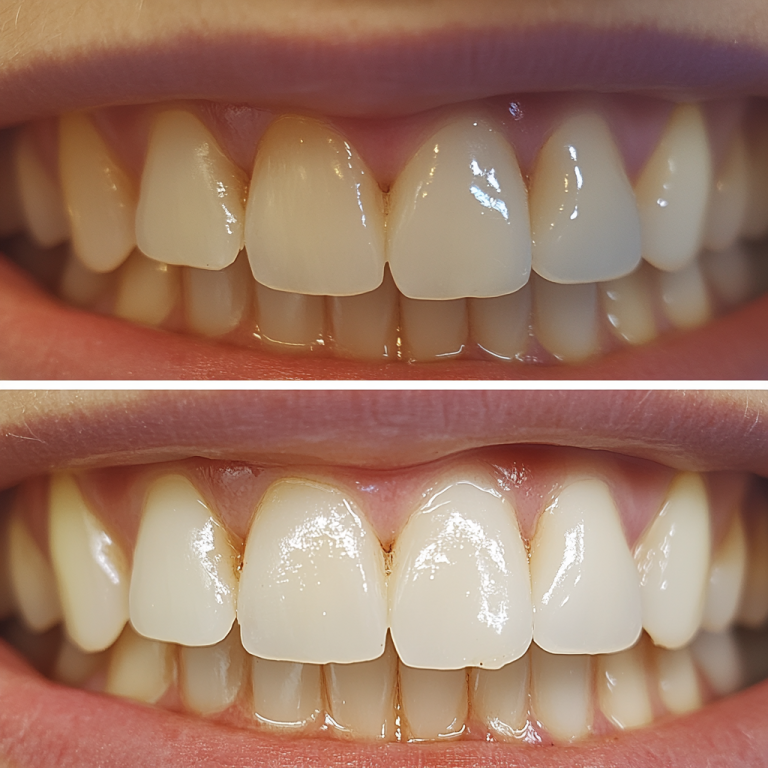
Composite resin is more prone to staining than natural tooth enamel or porcelain, which is one of the cons of composite bonding. Regular consumption of tea, coffee, red wine, or smoking can cause the bonding to darken or discolour.
Bonding can look brighter after polishing, but it does not respond to whitening treatments in the same way as natural teeth. This means the surrounding teeth may appear lighter over time, creating visible colour changes.
Less durable than other cosmetic options
Compared to veneers or crowns, composite bonding is less strong. The material can chip or fracture, especially if it is placed on teeth that experience heavy biting pressure.
Damage is more likely if you chew on pens, bite your nails, or eat very hard foods.
If you clench or grind your teeth, bonding may wear down faster if you don’t take care of it with something like a night guard.
Results depend on technique and aftercare
The success and durability of composite bonding are influenced by the dentist’s technique and the patient’s aftercare. Skipping dental visits or not looking after your teeth can reduce the lifespan of bonded teeth.
Southside Dental Care uses high-quality materials and careful planning to get results that look natural. However, the bonding should still be checked on a regular basis to keep it in good shape.
You can find more detailed information about composite bonding in Glasgow on the Southside Dental Care website.
Not suitable for all cases
Composite bonding treatment is ideal for minor or moderate cosmetic corrections. For teeth that are heavily damaged, severely misaligned, or have significant bite issues, other treatments may provide more reliable and long-lasting results.
After consultation, your dentist can decide if bonding is the best option for you or if alternative treatments may be more appropriate.
Is composite bonding still worth considering?
Composite bonding is still a popular choice for many people because it works quickly, doesn’t require much tooth preparation, and is less expensive than other cosmetic treatments. Knowing its limitations helps patients make informed decisions.
Final thoughts
When used under the right circumstances, composite bonding can be an effective solution, though it is not a one-size-fits-all treatment. Being aware of its limitations helps you decide if it suits your lifestyle, finances, and long-term plans.
A consultation at Southside Dental Care will guide you toward the most suitable cosmetic dentistry option for your teeth.
Get in touch with us today!
If you are considering cosmetic bonding treatment in Glasgow, Southside Dental Care can talk you through the pros and cons based on your individual smile. To book an appointment or discuss your options, call 07743 020777 and speak with the team.