This guide offers clear facts for anyone considering a dental bridge or comparing it to dental implants. You will learn the cons of dental bridges, the key benefits, and how each tooth replacement option affects your oral health. This article helps you decide which solution suits your needs and budget.
What Is a Dental Bridge and How Does It Replace a Missing Tooth?
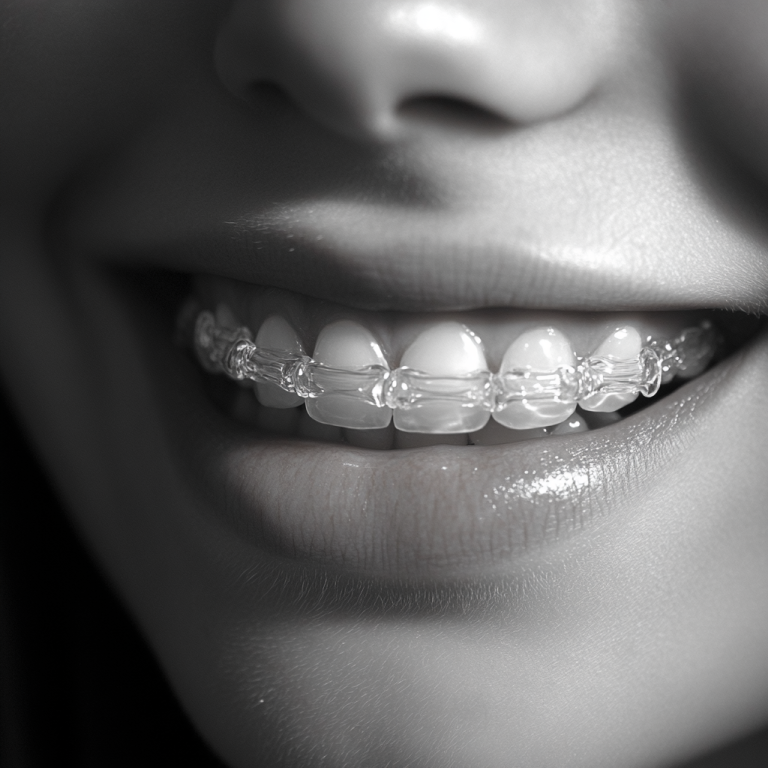
When you have a missing tooth, a dental bridge fills the space with artificial teeth secured to the adjacent natural teeth. The dentist prepares the teeth on either side and places a crown on each to hold the dental bridge in place.
This tooth replacement option works well for one or more missing teeth. Dental bridges restore your chewing and speaking ability while keeping the nearby teeth stable. Many patients choose a dental bridge to restore their smile after tooth loss.
What Are the Main Pros and Cons of Dental Bridge Treatment?
Knowing the pros and cons helps you pick the best dental treatment. A dental bridge restores chewing, prevents nearby teeth from shifting, and boosts confidence. Bridges usually cost less than implants and often need fewer dental visits.
The cons of dental bridges include the need to reshape healthy teeth. The bridge requires support from adjacent teeth, which means removing enamel to fit a crown. This is a key disadvantage for patients with healthy teeth next to the gap.
What Types of Dental Bridges Are Available?
There are several types of dental bridges. Traditional bridges are the most common type and use two dental crowns on healthy adjacent teeth. A cantilever bridge supports the dental bridge from one side only.
A Maryland bridge uses a metal or porcelain framework attached to the back of existing teeth. Implant-supported bridges use an implant instead of natural teeth for support. Each type of bridge suits different cases in the world of dental bridges.
How Do Dental Implants Compare as an Alternative?
Dental implants replace the root of a missing tooth with a titanium implant placed in the gum. Unlike dental implants, a dental bridge does not require surgery into the bone. Implants and bridges both restore function, but each has a different treatment cost and healing time.
An implant does not affect surrounding teeth, but it usually comes with higher costs and extended healing time. Your dentist can advise whether a dental bridge or an implant fits your needs.
What Are the Disadvantages of Dental Bridges for Adjacent Teeth?
One disadvantage of a dental bridge is that it puts stress on the teeth next to the gap. The crowns that support the bridge must withstand biting forces. Over time, this can affect healthy adjacent teeth.
If oral hygiene declines, tooth decay may develop under a crown. This can weaken the bridge in place and create further dental issues. Maintaining dental bridges properly reduces this risk.
What Are the Benefits of Dental Bridges for Missing Teeth?
The benefits of dental bridges include fast results and reliable function. A dental bridge helps replace missing teeth and restore chewing comfort. Dental bridges offer a fixed solution that feels like your natural teeth.
Dental bridges help keep teeth in place and prevent shifting. They are a strong tooth replacement option for a missing tooth or multiple missing teeth without surgery.
Are Dental Bridges More Affordable Than Implants?
In many cases, bridges are more affordable than dental implants. Bridges usually cost less because they do not require surgery to place an implant in the gums and bone.
The treatment cost varies based on materials and complexity. Dental crowns made of porcelain improve aesthetics, and some bridges that require multiple units increase the overall cost.
How Important Is Dental Care After a Dental Bridge?
Good dental care protects your dental bridge and oral health. You must floss under the bridge and brush carefully around each tooth and crown. Regular dental visits allow your dentist to monitor the condition of your teeth and gums.
You need consistent daily care to keep dental bridges in good condition. Good oral hygiene helps them last for many years and supports your long-term dental health.
Should You Consult a Dentist Before Choosing a Tooth Replacement Option?
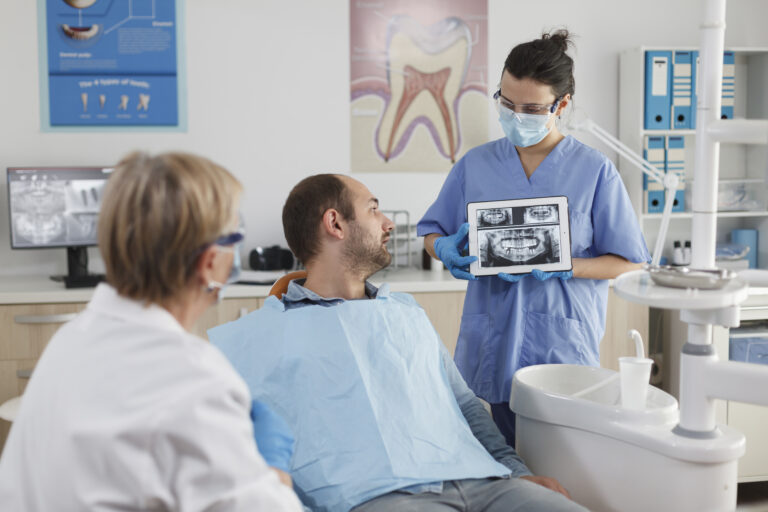
Speak with a dental professional before choosing a dental bridge. They will examine your teeth, gums, and overall oral health to help you decide.
At Southside Dental Care, our team offers clear guidance to help you decide if a dental bridge suits your needs. You can discover more about this on our Dental Bridges Glasgow page or by calling 07743 020777 to set up a consultation.