A dental crown can restore a damaged tooth, but it’s important to know both the benefits and the risks before deciding. This guide covers the downsides of dental crowns, what treatment in Glasgow involves, and how to keep your teeth healthy long-term.
What is a dental crown and how does it work in dentistry?
A dental crown is a tooth-shaped cap placed over a tooth that has been damaged or weakened. A dentist uses this dental treatment to restore shape, strength, and function while improving cosmetic appearance.
During the dental crown procedure, your dentist will need to remove a layer of enamel to make space for the crown. The crown fits securely over the prepared tooth and blends with your natural teeth.
What are the main disadvantages of dental crowns?
The disadvantages of dental crowns include the need to remove healthy tooth structure and the risk of future issues. This disadvantage matters if you want to preserve the natural tooth as much as possible.
Another concern is cost. How much a crown costs depends on its type, whether it’s made from porcelain or metal, and the lab work required. Keep in mind that the procedure is irreversible, because enamel cannot be restored once it is removed.
Can decay develop beneath the crown?
Yes, decay can form beneath the crown if bacteria enter around the edge of the crown. Poor oral hygiene increases the risk of tooth decay over time.
Maintain daily brushing and flossing and attend regular dental checkups to safeguard your crown and the surrounding teeth. Patients who grind their teeth should wear a night guard.
Do dental crowns cause discomfort or sensitivity?
You might feel some discomfort after getting a dental crown, including soreness around the tooth or sensitivity to hot and cold.
The tooth’s nerve may become irritated in certain cases. If you notice ongoing symptoms, reach out to your dentist right away.
What are common problems with dental crowns?
Dental crowns can sometimes cause issues like a loose fit, gradual wear, or an uneven bite. These problems can impact both comfort and how well your teeth work.
If you notice an issue with dental crowns, let your dentist know. Early checks can prevent more complex dental work later.
How long do crowns last and what affects durability?
A lot of patients want to know how long crowns last. With the right care, a dental crown can last anywhere from 5 to 15 years, and occasionally even longer.
Crowns made from metal or gold tend to be more durable, particularly on molars where chewing force is higher. Keeping up with oral care and routine checkups helps them last longer.
What types of dental crowns are available?
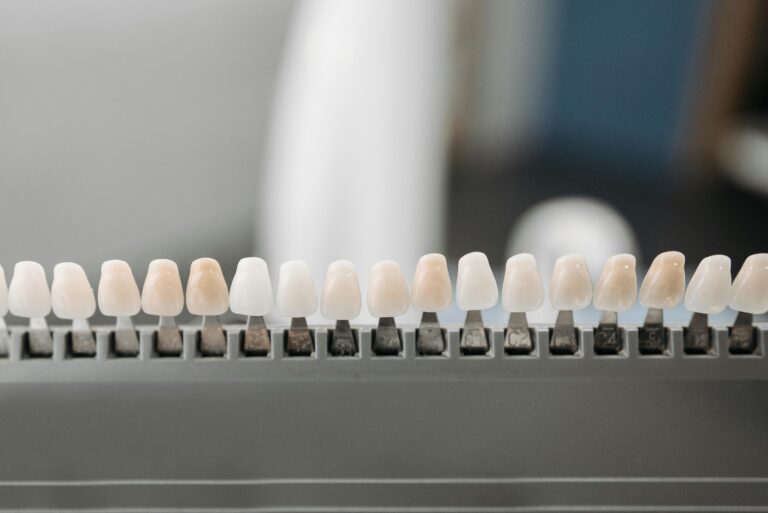
There are several dental crown types, including porcelain crowns, ceramic crown options, and crowns made of metal. Different crown types meet different dental needs.
Front teeth benefit from porcelain crowns for a natural look, while metal crowns endure heavy chewing pressure. Your dentist will help you pick the crown type that suits you best.
Do crowns always require a root canal or tooth extraction?
Not always. A root canal treatment may be needed if the tooth for a crown has deep decay or infection. In severe cases, tooth extraction might be required before replacement with a dental implant.
Your dentist will review the risks and benefits before recommending a crown or another treatment.
What is involved in the dental crown procedure?
The dentist will need to remove damaged parts of your tooth and shape it. A temporary crown may be placed while your new crown is made in a dental lab.
At Southside Dental Care, we also offer modern options. You can learn more about the full process on our Dental Crowns Glasgow page.
How can you reduce the risks associated with dental crowns?
Keep up a solid oral hygiene routine and visit your dentist regularly. Brushing and flossing every day helps prevent decay under your crown.
Contact your dentist right away if you notice discomfort, sensitivity, or changes around the tooth and gum. Early action helps protect the rest of your teeth.
Are crowns a good option for your dental needs?
Crowns are a good solution for restoring a tooth that has been damaged. They offer both functional and cosmetic benefits, but you must weigh the pros and cons of dental treatment carefully.
Considering dental treatment in Glasgow? Southside Dental Care can guide you through your choices. Check out our Dental Crowns Glasgow page or call 07743 020777 to schedule a consultation.